Powering the Nation: How the Texas Permian Basin Drives American Energy
Discover how the Texas Permian Basin fuels the global economy, provides thousands of jobs, and ensures energy independence through innovative oil and gas production and principled resource management.
Editorial disclaimer: Opinions and analysis on Keep TX Red are editorial content — not statements of fact. See our editorial standards.

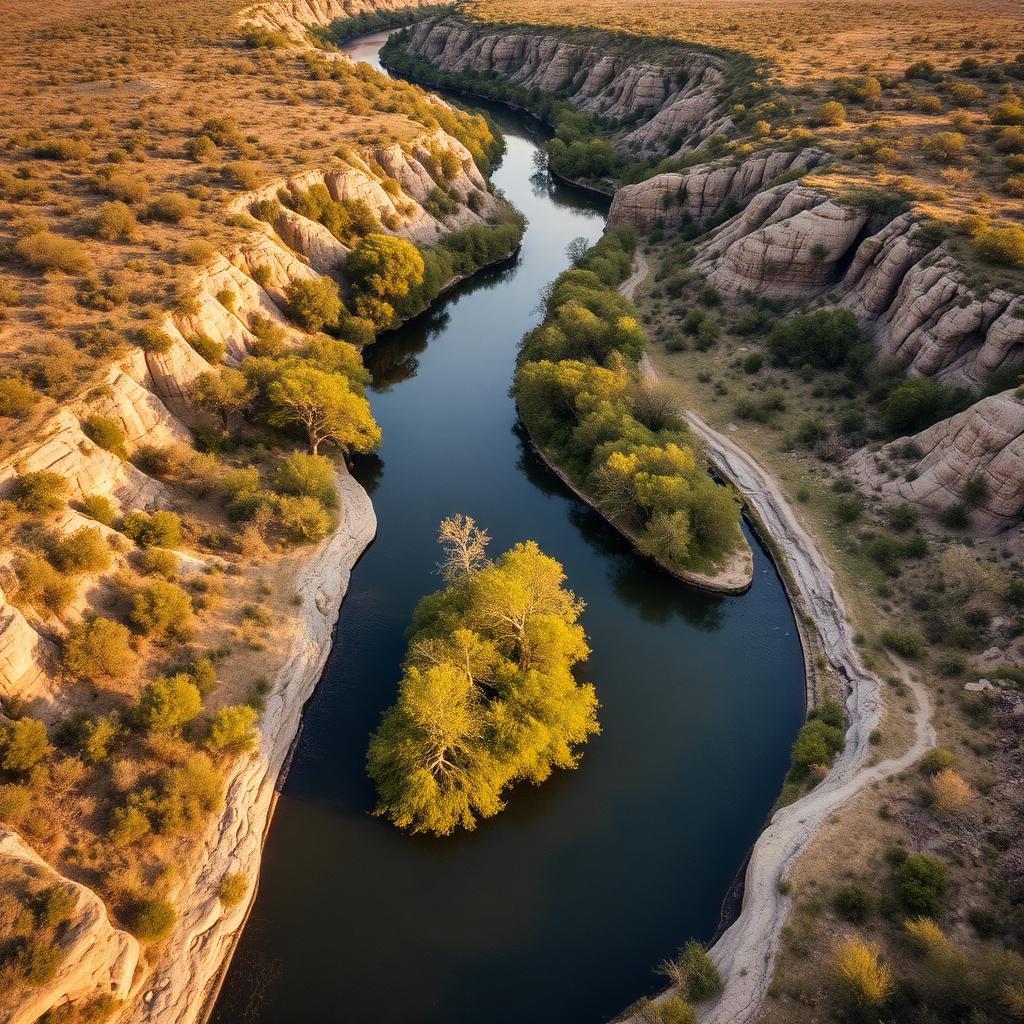
Deep beneath the arid horizon of West Texas and Southeastern New Mexico lies a geological marvel that has reshaped the global geopolitical landscape. The Permian Basin is not just a geographic region; it is the beating heart of American energy independence. Spanning approximately 86,000 square miles across 52 counties, this basin represents one of the most prolific oil and gas producing regions on Earth.
For Texans, the Permian Basin is more than a source of fuel; it is a fundamental pillar of our state's economic sovereignty. While federal agencies often attempt to regulate the industry from thousands of miles away, Texas continues to demonstrate that responsible production, private property rights, and technological innovation can coexist to provide affordable energy for millions. In this explainer, we look at the facts behind the production numbers and why the Permian remains vital to the future of the United States.
The Scale of Production: Leading the World from West Texas
To understand the importance of the Permian Basin, one must first grasp the sheer volume of its output. According to data from the U.S. Energy Information Administration (EIA), the Permian Basin accounts for nearly 40 percent of all oil production in the United States and about 15 percent of its natural gas production. If the Permian were a member of OPEC, it would be among the top producers in the world, rivaling industrial titans like Saudi Arabia and Russia.
The basin is composed of several smaller components, most notably the Midland Basin and the Delaware Basin. Within these, formations such as the Wolfcamp, Bone Spring, and Spraberry shales contain stacked layers of oil-bearing rock. This geological 'layer cake' allows operators to tap multiple zones from a single surface location, maximizing efficiency and minimizing the physical footprint on the land.
Economic Impact: Funding Texas Schools and Infrastructure
The benefits of Permian production extend far beyond the gas pump. The Texas oil and gas industry is a primary contributor to the state's Rainy Day Fund and the Permanent School Fund. According to the Texas Comptroller of Public Accounts, the industry pays billions annually in severance taxes, property taxes, and royalties.
These funds are the backbone of Texas’s fiscal health, paying for the education of our children and the maintenance of our highways without the need for a state income tax. In many West Texas counties, the oil and gas industry accounts for the majority of the local tax base, supporting everything from local police departments to community hospitals.
- Billions in annual tax revenue paid to the State of Texas.
- Direct employment for hundreds of thousands of high-skilled workers.
- Billions in private investment flowing into rural Texas infrastructure.
- Funding for the Texas Permanent University Fund, supporting higher education.
Innovation and Resilience: The American Energy Renaissance
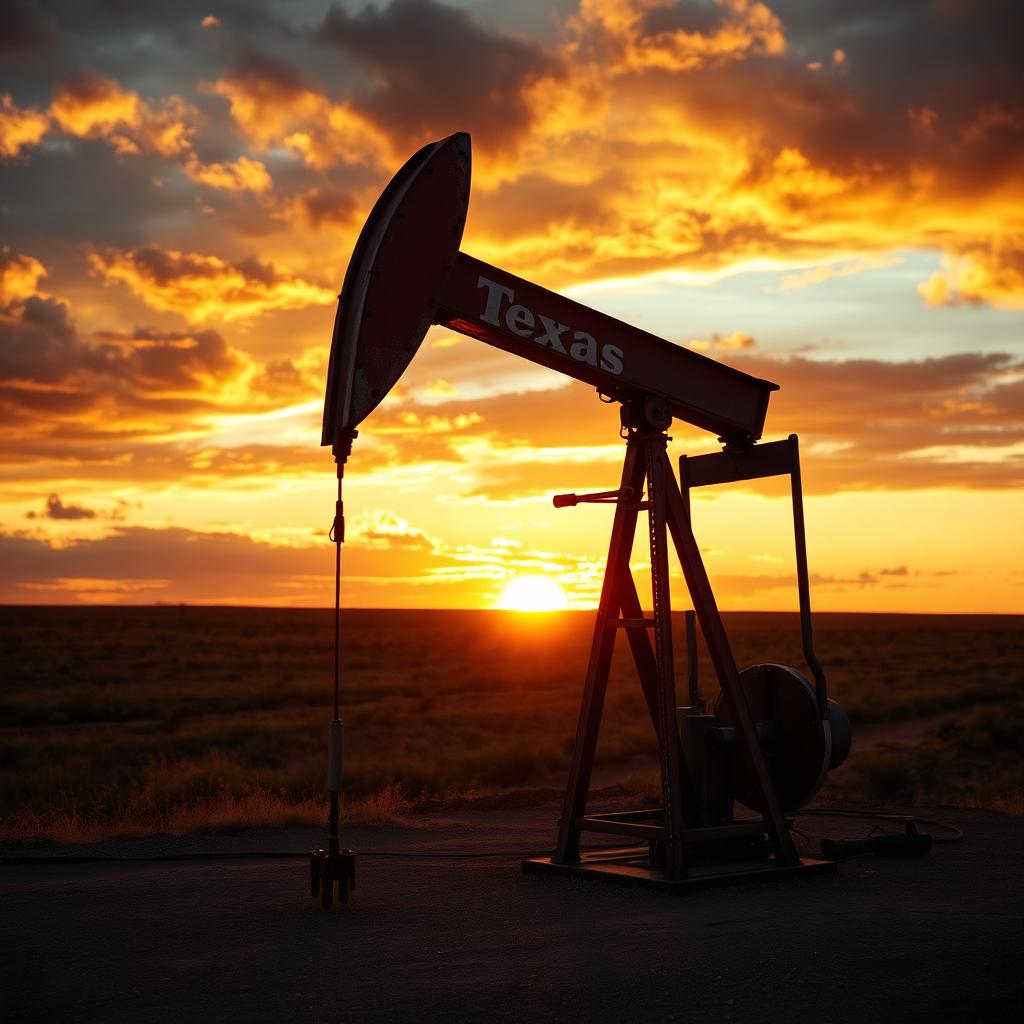
The survival and subsequent thriving of the Permian Basin is a testament to American ingenuity. A decade ago, many analysts predicted that American oil production had peaked. However, the combination of horizontal drilling and advanced hydraulic fracturing—perfected largely on Texas soil—unlocked vast reserves that were previously considered unreachable.
This technological leap did more than just increase volume; it lowered the cost of production and increased safety. Despite fluctuations in global commodity prices and the constant threat of federal overreach through restrictive leasing policies, Texas producers have consistently found ways to do more with less. This resilience ensures that the United States remains a net exporter of energy, reducing our reliance on unstable foreign regimes for our basic needs.
The Strategic Importance of Energy Independence
Energy security is national security. When Texas produces energy at home, it reduces the leverage of foreign cartels and prevents American wealth from being transferred to nations that do not share our values. The Permian Basin provides the feedstock for the massive refining complex along the Texas Gulf Coast, which in turn supplies plastic, medical supplies, and fuel to the entire world.
Critics often ignore the reality that modern life depends on hydrocarbons. From the wind turbines that require petroleum-based lubricants to the fertilizers that feed a growing global population, the Permian Basin is an indispensable link in the supply chain. Maintaining a pro-growth regulatory environment in Texas is therefore not just a state priority, but a national imperative.
Land Rights and Responsible Stewardship
A key driver of the Permian's success is the Texas commitment to private property rights. Unlike many other countries where the state owns all mineral wealth, Texas law recognizes the right of individuals to own and develop the resources beneath their land. This system creates a partnership between operators and landowners that incentivizes efficient and careful development.
Texas operators are also leaders in water recycling and emission reduction technologies. By utilizing brackish water for operations and implementing sophisticated leak detection systems, the industry continues to reduce its environmental impact while increasing its output. The Texas Railroad Commission, the state's energy regulator, provides a stable and predictable framework that ensures operations are conducted safely without the bureaucratic stagnation often found in federal agencies.
The Future of the Permian: A Century of Energy
As we look to the future, the Permian Basin is poised to remain the center of the energy universe for decades to come. Estimates of remaining recoverable reserves continue to grow as technology improves. While the conversation around energy often shifts toward alternatives, the fundamental math remains the same: the world needs reliable, dense, and affordable energy, and the Permian Basin is the most efficient place to produce it.
For Texas to stay red and prosperous, we must continue to defend this vital industry against ideological attacks. Protecting the Permian means protecting the Texas Miracle and ensuring that the United States remains the leader of the free world.
Frequently Asked Questions
- How much oil does the Permian Basin produce daily?
- As of recent reports from the EIA, the Permian Basin produces over 5.5 million barrels of crude oil per day, representing roughly 40% of total U.S. production.
- What counties make up the heart of the Permian Basin?
- Key Texas counties include Midland, Ector, Loving, Reeves, and Martin. The basin also extends into several counties in Southeastern New Mexico.
- Why is the Texas Railroad Commission important?
- The Railroad Commission of Texas is the state agency that regulates the oil and gas industry. It ensures that resources are extracted fairly, safely, and in a manner that protects property rights.
- Does Permian Basin production affect my electricity bill?
- Yes. The Permian produces significant amounts of natural gas, which is the primary fuel for electricity generation in Texas. Increased domestic supply helps keep energy costs lower for consumers.
Official Sources
Take the next step
Browse the Newsroom →Read more about Keep Texas Red → Our full guide to what Keep Texas Red means and why Texans support it.