Understanding Texas Property Taxes: Why They Stay High and How to File
Texas homeowners face some of the highest property tax rates in the nation. Learn how the Texas Legislature uses appraisal caps and homestead exemptions to provide relief to taxpayers.
Editorial disclaimer: Opinions and analysis on Keep TX Red are editorial content — not statements of fact. See our editorial standards.

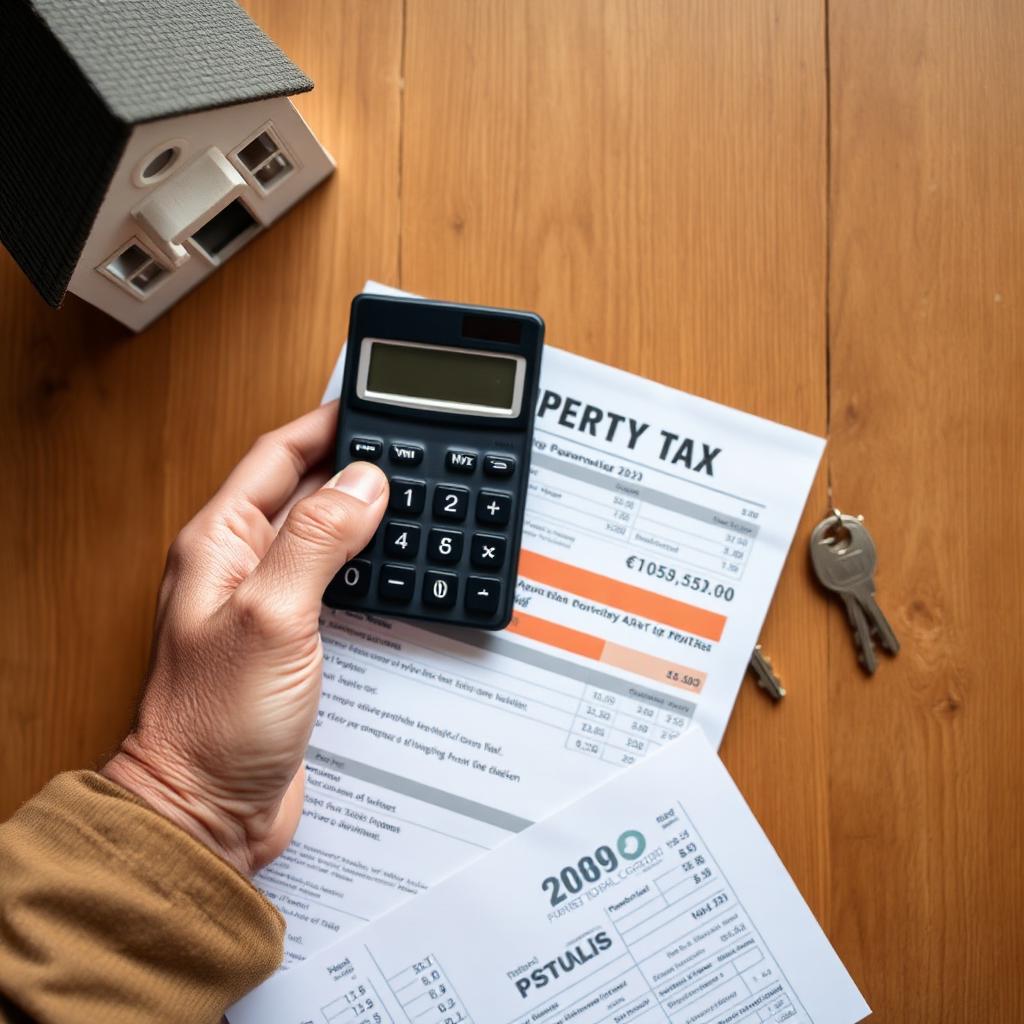
Texas is known throughout the nation for its robust economy, its lack of a state income tax, and its commitment to individual liberty. However, for many homeowners, the cost of residing in the Lone Star State is felt most acutely every October when property tax bills arrive. While the absence of an income tax is a primary driver for our economic boom, the reliance on ad valorem taxes to fund local government—specifically school districts—creates a unique burden on property owners.
This evergreen explainer aims to demystify how the Texas property tax system operates, why values seem to rise regardless of market shifts, and what tools the Texas Legislature has provided for citizens to defend their property rights. Understanding the mechanism of the 'appraisal-to-rate' pipeline is the first step in ensuring your tax bill remains fair and representative of your property’s actual value.
The Three-Headed Monster: Who Actually Taxes You?
In Texas, there is no state-level property tax. Every dollar collected stays within the local community. However, this creates a complex web of taxing entities that all pull from the same pocket. Your total bill is generally comprised of three distinct categories of taxing units, each with its own governing body and budget.
The largest portion of your bill, often accounting for 50% or more, goes to Independent School Districts (ISDs). While the state sets the framework for school finance, the local ISD sets the tax rate based on its budgetary needs and debt obligations. Following schools are counties and cities, which fund everything from Sheriff's departments to local infrastructure. Finally, special districts—such as Hospital Districts, Junior Colleges, and Municipal Utility Districts (MUDs)—add their own smaller percentages to the total.
- ISD (School Districts): Largest portion, used for operations and facilities.
- County: Funds the judicial system, jails, and county roads.
- City/Municipal: Funds police, fire, and parks.
- Special Districts: MUDs, emergency services, and water districts.
Appraised Value vs. Market Value: The Reality of the Cap
One of the biggest frustrations for Texas homeowners is the distinction between what their home is worth on the open market and what the Central Appraisal District (CAD) says it is worth for tax purposes. By law, all property must be appraised at 100% of its market value as of January 1st each year.
However, the Texas Tax Code provides a critical safeguard for those who live in their homes as their primary residence: the 10% appraisal cap. If you have a valid Homestead Exemption on file, the CAD cannot increase your 'assessed value' by more than 10% in a single year, even if the market value of your home grew by 30%. This 'capped' value is what your tax rate is applied to, shielding long-term residents from the volatility of a hot real estate market.
Legislative Reforms: SB 2 and the 'No-New-Revenue' Rate
For years, local governments could rely on 'appraisal creep'—the natural rise in home values—to increase their tax revenue without ever officially voting to raise tax rates. The Texas Legislature addressed this lack of transparency with Senate Bill 2 (the Texas Property Tax Reform and Transparency Act of 2019).
This landmark legislation requires taxing units to calculate and publish a 'no-new-revenue tax rate.' This is the rate that would produce the same amount of revenue as the previous year when applied to the same properties. If a city or county wants to adopt a rate that exceeds the voter-approval rate (usually a 3.5% increase for cities and counties, or 2.5% for schools), they must receive approval from the voters in a November election. This puts the power back into the hands of the taxpayers.
The Power of the Protest: Defending Your Value
In Texas, you have the statutory right to protest your property’s appraised value. This is not just a suggestion; it is a vital part of the system’s checks and balances. The Appraisal Review Board (ARB) is a group of citizens appointed to hear disputes between homeowners and the appraisal district.
When you file a protest, you are generally arguing one of two things: that the market value is lower than what the district claims, or that your property is not being taxed equally compared to similar properties in your neighborhood (equity). Successful protests often focus on specific issues like foundation damage, outdated interiors, or proximity to noise pollution—factors the CAD’s automated mass-appraisal models often miss.
- File by May 15th: The standard deadline for filing a protest with your local CAD.
- Gather Evidence: Take photos of damages, get repair estimates, and look for 'comps' (comparable sales).
- Informal Meeting: Most protests are settled in a quick meeting with an appraiser before ever going to a formal board hearing.
- Equality and Uniformity: Use the 'equity' argument if your neighbors' identical homes are valued lower than yours.
Exemptions: The Best Way to Lower Your Bill
The most straightforward way to lower your tax liability in Texas is to ensure you are receiving every exemption you are entitled to. The most common is the General Residence Homestead Exemption. Thanks to recent constitutional amendments approved by Texas voters, the mandatory school district homestead exemption was increased to $100,000.
Additional relief is available for specific groups. Homeowners aged 65 or older, or those with disabilities, can qualify for a 'tax ceiling' or 'freeze.' Once you qualify for the Over-65 exemption, your school district taxes are frozen and can never increase as long as you live in that home, even if the value goes up or the tax rate rises.
Conclusion: Fiscal Responsibility Starts Locally
While it is tempting to blame the Texas Governor or the Legislature for high property taxes, the reality is that property taxes are a local issue. Every new bond high school, every new municipal park, and every increase in the city budget is reflected on that tax bill. The state has provided the tools—caps, exemptions, and the right to protest—but it is up to the individual Texan to engage with their local boards and appraisal districts.
By staying informed, filing for exemptions, and exercising the right to protest every May, Texas homeowners can protect their piece of the Lone Star State from the burden of unchecked local spending.
Frequently Asked Questions
- Does Texas have a state property tax?
- No. The Texas Constitution prohibits a state-level property tax. All property taxes are set and collected by local taxing units like cities, counties, and school districts.
- What is the deadline to file for a homestead exemption?
- You can file for a homestead exemption at any time, but to have it apply for the current year, you should generally file by April 30th. However, you can file for a late homestead exemption up to two years after the tax delinquency date.
- Why did my taxes go up when the tax rate stayed the same?
- If your local government keeps the tax rate the same but your home’s appraised value increases, your total bill will increase. This is why the 'no-new-revenue' rate is a better metric for measuring tax hikes than the nominal rate.
- How do I protest my property taxes?
- You must file a Form 50-132 (Notice of Protest) with your local Central Appraisal District, usually by May 15th. You can then present evidence to an appraiser or the Appraisal Review Board to argue for a lower valuation.
Official Sources
Take the next step
Browse the Newsroom →Read more about Keep Texas Red → Our full guide to what Keep Texas Red means and why Texans support it.