The Lone Star Showdown: Cowboy and Texan NFL Team Dynamics
Explore the evolving identities of the Dallas Cowboys and Houston Texans as they compete for dominance in the Lone Star State, defining the modern era of Texas football culture.
Editorial disclaimer: Opinions and analysis on Keep TX Red are editorial content — not statements of fact. See our editorial standards.
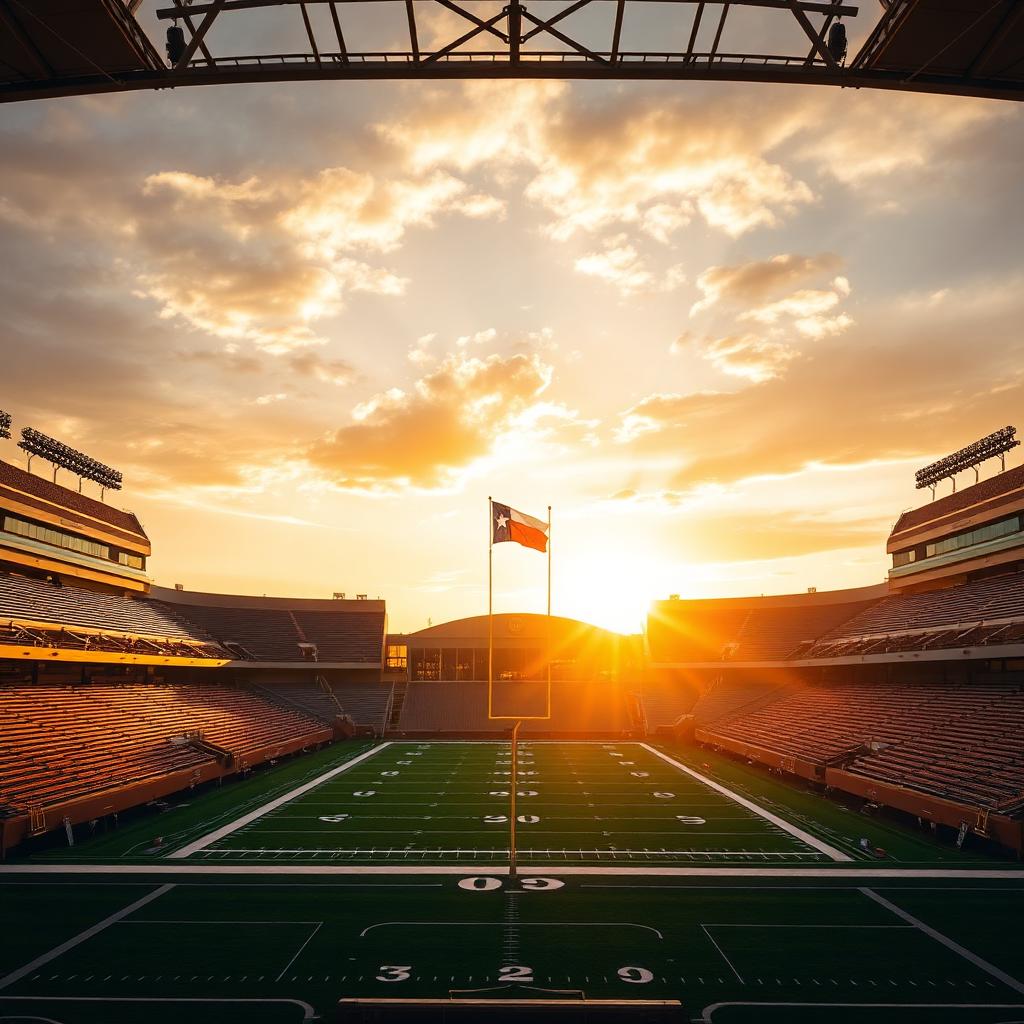
In the vast landscape of American sports, few rivalries or regional narratives carry the weight of Texas football. For decades, the Dallas Cowboys stood alone as the definitive professional team of the Southwest, earning the moniker of 'America’s Team.' However, since the early 2000s, the emergence of the Houston Texans has transformed the state into a dual-hub of gridiron excellence. Today, the storyline between these two franchises is less about a head-to-head schedule and more about a philosophical race to the top of the NFL hierarchy.
For fans across the Lone Star State, the success of these two organizations represents more than just wins and losses; it is a reflection of local pride. While one team leans on a storied history of Super Bowl trophies and global branding, the other represents a modern, gritty rise through the ranks of the AFC. Understanding the current status of both teams is essential for any fan wanting to keep a pulse on the Texas sports scene.
The Dallas Cowboys: Maintaining the Standard
The Dallas Cowboys operate under a microscope unlike any other team in professional sports. Based in Frisco and playing at the architectural marvel of AT&T Stadium, the organization is defined by its high-profile leadership and a consistent commitment to being a playoff contender. The identity of the Cowboys is built on a high-powered offensive philosophy and stars who often become the face of the league.
In recent seasons, the Cowboys have focused on building a roster through savvy drafting, particularly on the defensive side of the ball. The team's ability to find elite pass rushers and ball-hawking defensive backs has complemented an offense that traditionally ranks near the top of the league in total yardage. For the Dallas faithful, the expectation remains a deep postseason run, as anything less is often viewed as a missed opportunity given the talent depth at the star-studded facility.
- Consistent regular-season performance and high win totals.
- Elite defensive playmaking that thrives on creating turnovers.
- A heavy emphasis on star-power and player marketing.
- Ongoing pursuit of returning to the Super Bowl stage.
The Houston Texans: A New Era of Aggression
Southward in Houston, the Texans have undergone a significant transformation that has captured the attention of the entire NFL. After a period of rebuilding, the organization has pivoted toward a culture of aggressive growth and young, dynamic leadership. By focusing on cornerstone positions—specifically the quarterback and head coach—the Texans have solidified themselves as the new 'team to watch' in the AFC South.
The team's identity is currently forged in versatility. Unlike the 'Blue-Star' tradition in Dallas, the Texans have embraced a modern, fast-paced style of football that emphasizes speed and adaptability. The fanbase at NRG Stadium has seen a resurgence in energy as the front office continues to make bold moves in the draft and free agency, signaling that the years of waiting for a competitive window are over.
- Rapid ascension from a rebuilding phase to a playoff contender.
- Strategic focus on high-value draft picks and foundational talent.
- A coaching staff that prioritizes modern schematic advantages.
- Strong home-field advantage driven by a rejuvenated Houston market.
Quarterback Philosophy in the Lone Star State
A central storyline for Texas football fans is the contrast in how both teams manage the quarterback position. The Dallas Cowboys have historically looked for stability and high-volume production, relying on experienced leaders who can navigate the intense media pressure of the Big D. Their approach is built around a signal-caller who can execute a complex playbook and manage a high-pressure environment.
Conversely, the Houston Texans have recently found success by empowering young talent early. The Texans’ model relies on the mobility and vision of the modern quarterback, using a rookie-scale contract window to surround their passer with elite weapons. This contrast provides Texas fans with two different blueprints for success: the established veteran leader in Dallas versus the rising star trajectory in Houston.
- Dallas emphasizes experience and poise under national scrutiny.
- Houston focuses on explosive playmaking and youthful energy.
- Both teams prioritize pass-protection through heavy offensive line investment.
What the Future Holds for Texas Football Fans
The landscape of Texas football is healthier than it has been in decades. With the Cowboys maintaining their status as perennially competitive giants and the Texans emerging as high-octane challengers, the state occupies a unique position in the NFL. Fans can look forward to a continued rivalry for regional attention, merchandise sales, and, ultimately, bragging rights.
As we look ahead, the 'Governor’s Cup' matchups and the race for playoff seeding will remain the focal points. For the fan sitting at home, the beauty of Texas football today is the diversity of the two programs. Whether you prefer the prestige and history of the Cowboys or the rising momentum and grit of the Texans, the Lone Star State remains the undisputed capital of the football world.
- Increased national media coverage for both Texas franchises.
- Potential for both teams to represent the state in the playoffs simultaneously.
- Continued growth of fan bases across internal Texas borders.
Frequently Asked Questions
- How often do the Cowboys and Texans play each other regularly?
- Because they play in different conferences (NFC and AFC), the Cowboys and Texans typically meet during the regular season once every four years, though they may face off more frequently in preseason contests or based on NFL scheduling changes.
- Which team has more Super Bowl wins?
- The Dallas Cowboys have five Super Bowl titles in their franchise history. The Houston Texans, an expansion team that began play in 2002, are still pursuing their first Super Bowl appearance.
- Where do the teams play their home games?
- The Dallas Cowboys play at AT&T Stadium in Arlington, while the Houston Texans play at NRG Stadium in Houston.
- Do the Cowboys and Texans ever meet in the playoffs?
- A postseason matchup between the two teams can only occur in the Super Bowl, as they belong to different conferences (NFC for Dallas, AFC for Houston).
Official Sources
Take the next step
Browse the Newsroom →Read more about Keep Texas Red → Our full guide to what Keep Texas Red means and why Texans support it.
Keep TX Red Sports Desk
The Keep Texas Red Editorial Staff produces nonpartisan explainers, policy breakdowns, and educational resources to help Texans understand how their government works. All content is reviewed for accuracy and updated regularly.
About Keep TX Red →