Texas Power Grid Explained: How ERCOT Works and Future Challenges
Discover how the independent Texas power grid operates under ERCOT, the unique challenges of our energy market, and what the Texas Legislature is doing to ensure long-term reliability.
Editorial disclaimer: Opinions and analysis on Keep TX Red are editorial content — not statements of fact. See our editorial standards.

The Texas power grid is more than just a network of wires and substations; it is a symbol of the state’s long-standing commitment to independence and self-reliance. Unlike any other state in the lower 48, Texas operates its own electrical grid, physically and regulatory-distinct from the rest of the nation. This autonomy, managed by the Electric Reliability Council of Texas (ERCOT), prevents federal oversight from agencies like the Federal Energy Regulatory Commission (FERC) and allows Texas to chart its own energy destiny.
However, with great independence comes total responsibility. In recent years, the grid has faced unprecedented scrutiny following extreme weather events and a rapidly growing population that demands more power every single day. For Texas conservatives, understanding the mechanics of ERCOT is essential to protecting our property rights, ensuring affordable cost of living, and maintaining the economic engine that makes the Lone Star State a global leader in energy production.
The Three Pillars: Generation, Transmission, and Retail
To understand the Texas grid, you must first understand that it is a 'deregulated' market, though that term is often misunderstood. The industry is split into three distinct silos: generation companies, transmission/distribution utilities, and retail electric providers (REPs).
ERCOT acts as the air traffic controller for this system. It does not own the power plants, nor does it own the power lines. Instead, it schedules the flow of electricity from generators to consumers. The Public Utility Commission of Texas (PUC) provides the regulatory oversight, ensuring that the market remains competitive and that transmission companies maintain their infrastructure properly.
- Generation: Private companies that own natural gas, coal, nuclear, wind, and solar plants.
- Transmission and Distribution: The 'wires' companies (like Oncor or CenterPoint) that maintain the physical poles and deliver power to your home.
- Retail: The companies you pay your bill to, which compete to offer the best rates and plans.
The 'Only in Texas' Grid: Why We Are Independent
The Texas Interconnection is one of the three major power grids in North America, alongside the Eastern and Western Interconnections. While other states are interconnected across state lines, Texas made the strategic decision in the mid-20th century to keep its primary grid within state borders. This move was specifically designed to avoid the 'interstate commerce' triggers that would give the federal government jurisdiction over Texas energy.
From a principled standpoint, this independence is vital. It allows the Texas Legislature to move quickly to implement reforms without waiting for a slow-moving federal bureaucracy. It also means that Texas policy can focus on Texas needs—specifically, the demands of our massive industrial sector and our unique climate.
The Challenge of Reliability: Dispatchable vs. Intermittent Power
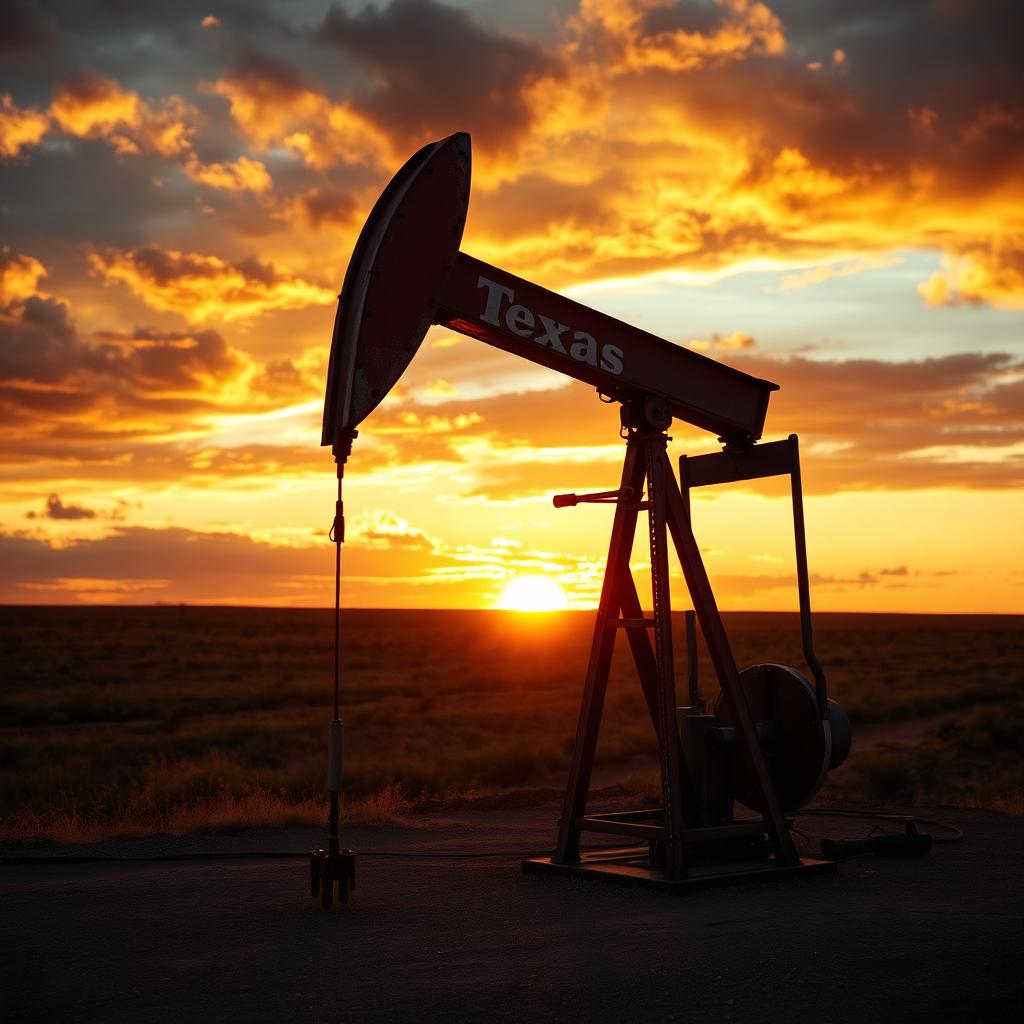
The most pressing issue facing ERCOT today is the balance between 'dispatchable' and 'intermittent' energy sources. Dispatchable power, primarily from natural gas, coal, and nuclear, can be turned on or adjusted at a moment's notice. It provides the steady 'baseload' required to keep the lights on when the wind isn't blowing or the sun isn't shining.
Texas leads the nation in wind energy production, which has provided economic benefits to rural landowners and diversified the tax base. However, the rapid expansion of renewables has created a reliability gap. During periods of peak demand—such as a sweltering August afternoon or a freezing winter night—the grid relies heavily on thermal generation (natural gas and coal) to bridge the gap left by fluctuating wind and solar output. Protecting the viability of these thermal plants is a top priority for Texas lawmakers focused on grid stability.
Legislative Reforms: Strengthening the Grid
Following the 2021 winter storm, the Texas Legislature took decisive action to reform ERCOT and the PUC. Senate Bill 2 and Senate Bill 3 focused on weatherization requirements for both power plants and natural gas supply lines. This ensures that the entire supply chain—not just the generators—is prepared for extreme temperatures.
In 2023, the 88th Legislature passed Senate Bill 2627, which created the Texas Energy Fund. This fund, approved by voters via a constitutional amendment, provides low-interest loans and grants to incentivize the construction of new natural gas-fired power plants. This is a clear, fact-driven approach to ensure that as the Texas population grows, our dispatchable capacity grows along with it.
- Mandatory weatherization of critical infrastructure.
- Improved communication via the Texas Energy Reliability Council (TERC).
- The Texas Energy Fund to support new dispatchable generation.
- Firm fuel requirements to ensure plants have backup fuel on-site.
Consumer Protection and Property Rights
For the average Texan, the most visible part of the grid is the monthly bill and the reliability of their home connection. Property rights play a significant role here, particularly regarding the expansion of transmission lines. As new power plants are built, new lines must be run across the state. Balancing the need for a robust grid with the rights of Texas landowners is a constant challenge for the PUC.
Furthermore, the competitive retail market allows Texans in many parts of the state to choose their provider. This competition keeps overhead low and forces companies to innovate. However, it also requires consumers to be diligent in choosing fixed-rate plans to avoid price volatility during market spikes.
Frequently Asked Questions
- Why does ERCOT sometimes ask Texans to conserve power?
- Conservation appeals are a standard tool used by ERCOT to manage the margin of safety during peak demand. This typically happens when demand is exceptionally high and available generation is lower than expected, such as during a lull in wind speeds on a hot day.
- Does Texas have enough power for the growing population?
- Texas currently has a positive reserve margin, but with thousands of people moving to the state monthly, the Legislature is focused on incentivizing new dispatchable generation to keep pace with future needs.
- Who actually runs ERCOT?
- ERCOT is a 501(c)(4) nonprofit corporation governed by a board of directors. It is overseen by the Public Utility Commission of Texas (PUC) and the Texas Legislature. Recent reforms changed the board structure to ensure directors are Texas residents.
- How can I see the current status of the Texas grid?
- ERCOT provides a real-time 'Grid Conditions' dashboard on their official website and mobile app, showing current demand, available capacity, and the current mix of energy sources.
Official Sources
Take the next step
Browse the Newsroom →Read more about Keep Texas Red → Our full guide to what Keep Texas Red means and why Texans support it.