Texas Energy Profile: Integrating Wind and Solar with Oil and Gas
Discover how Texas maintains its energy leadership by balancing traditional oil and gas production with rapid growth in wind and solar power on the ERCOT grid.
Editorial disclaimer: Opinions and analysis on Keep TX Red are editorial content — not statements of fact. See our editorial standards.

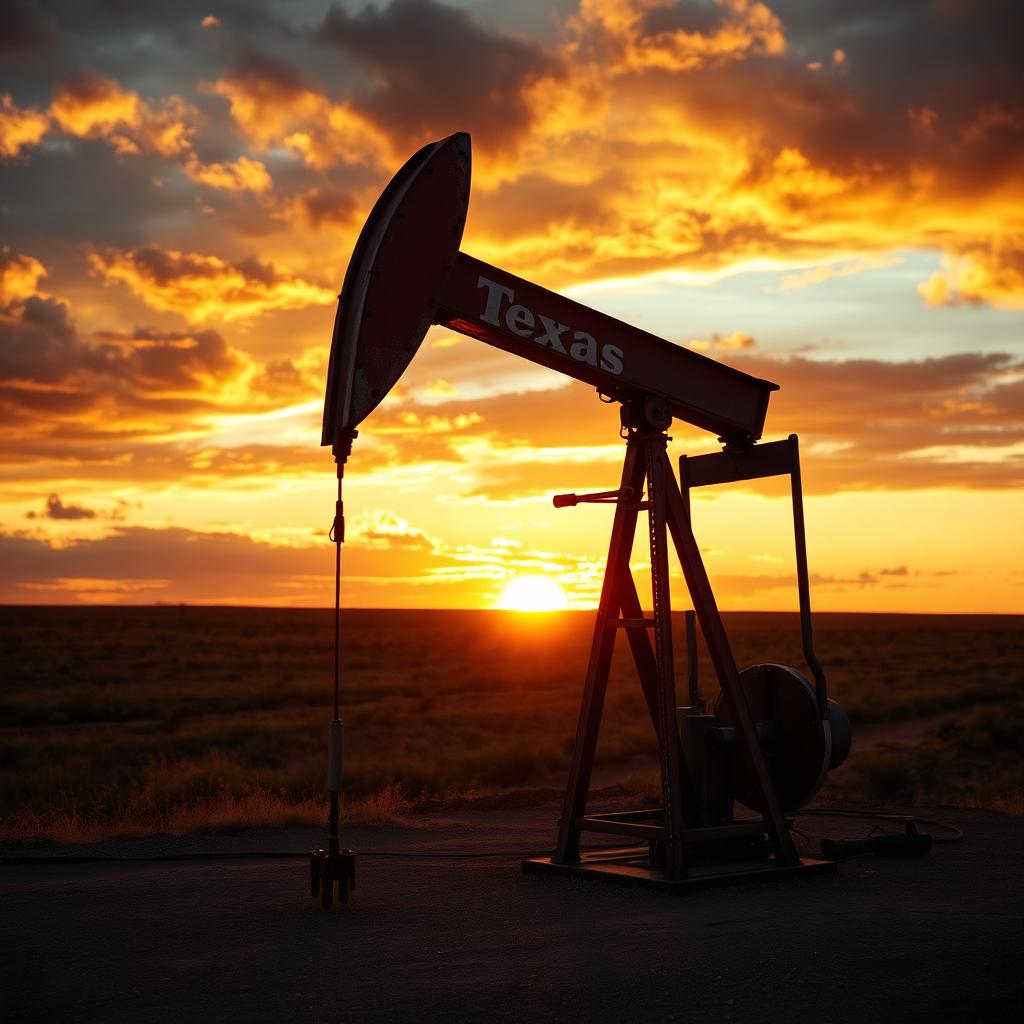
Texas has long been synonymous with the global energy industry, built on a foundation of vast oil and natural gas reserves. However, over the last two decades, the state has undergone a significant transformation, emerging as a national leader in renewable energy production. Today, the Texas energy landscape is characterized by a dual-track strategy where traditional fossil fuels and modern renewables coexist to meet the growing demands of a booming population.
Understanding the intersection of these energy sources is vital for any resident interested in Texas politics and the state's economic future. By leveraging its unique geography, business-friendly regulatory environment, and independent power grid, Texas has created a diverse energy portfolio that provides both challenges and opportunities for the state's long-term stability.
The Texas Energy Mix: An Overview
The Texas electricity market is managed largely by the Electric Reliability Council of Texas (ERCOT), which oversees a grid that is mostly independent of the national interconnections. This independence allows Texas to implement state-specific energy policies that have spurred rapid development in multiple sectors simultaneously.
According to data from the Texas Comptroller, Texas leads the nation in wind-powered electricity generation and is rapidly climbing the ranks in utility-scale solar capacity. Despite this growth, natural gas remains the backbone of the state's power generation, providing the 'dispatchable' energy necessary to balance the variable nature of wind and sun. This hybrid model ensures that the state can leverage low-cost renewables when available while maintaining a baseline of traditional thermal generation.
Why This Matters
The evolution of the Texas energy grid is a central pillar of Texas news and legislative debate. For voters, the primary concern is reliability and cost. As the state experiences extreme weather events and rapid industrial growth, the ability of the grid to handle peak demand is a matter of public safety and economic continuity.
Furthermore, the energy sector is a massive driver of the state's treasury. Tax revenues from oil and gas production fund the Permanent School Fund and the Permanent University Fund, which are critical for the state's education system. Integrating renewables without cannibalizing the economic benefits of the fossil fuel industry is a delicate balancing act for the Texas laws currently being debated in Austin.
Impact on Texans
The shift toward a diversified energy portfolio affects Texans in several tangible ways, ranging from land use in rural areas to the monthly line items on residential utility bills.
Key impacts include:
Historical Context
Texas's journey into renewables ironically began with deregulation policies passed in the late 1990s. In 1999, then-Governor George W. Bush signed Senate Bill 7, which deregulated the state's electricity market and included a modest mandate for renewable energy. This set the stage for the creation of Competitive Renewable Energy Zones (CREZ).
The CREZ initiative involved a multi-billion dollar investment in transmission infrastructure, effectively building 'electric highways' that transport power from the windy, sun-drenched plains of West Texas to the high-demand 'Texas Triangle' of Dallas-Fort Worth, Houston, and San Antonio. This proactive infrastructure planning is what allowed Texas to surpass states with much more aggressive climate mandates in terms of actual renewable megawatt installation.
How This Impacts Texas Policy Debates
Current policy debates in the Texas Legislature often focus on 'grid firming.' Lawmakers are increasingly concerned with ensuring that as more renewable energy enters the market, there is enough 'dispatchable' power (such as natural gas or battery storage) to keep the lights on when the wind stops blowing during a heatwave.
There is also a significant debate regarding Texas economy subsidies. Some legislators argue that federal tax credits for renewables create an uneven playing field, while others point out the massive historical and ongoing state support for the oil and gas industry. These discussions are not just about environmental goals; they are about maintaining the state’s competitive edge in energy prices to continue attracting major manufacturing and technology firms to North and Central Texas.
The Texas Angle
According to our internal analysis of Texas Land Office filings and ERCOT interconnection queues, Texas is entering a 'third wave' of energy integration. While the first wave was the shale revolution and the second was the wind boom, the third wave is defined by large-scale battery storage and hydrogen pilot projects. Our review of recent county-level tax abatements shows that traditional 'oil patches' are increasingly hosting hybrid projects—where solar arrays sit directly atop active or capped oil fields. This suggests that the perceived conflict between 'green' and 'brown' energy is largely a political construct; on the ground, Texas energy producers are treating wind and solar as complementary assets that hedge against commodity price swings. This pragmatic, market-driven approach allows Texas to remain the nation's energy powerhouse without abandoning the fossil fuels that built its economy.
Reader Questions
**How does Texas compare to other states' energy transitions?** Unlike states like California that use aggressive mandates to phase out fossil fuels, Texas has utilized a market-based approach. By investing in transmission infrastructure (CREZ) and maintaining a deregulated Texas business environment, Texas has added more renewable capacity than almost any other state while remaining the top producer of oil and gas. This 'all-of-the-above' strategy is unique in its scale.
**Does renewable energy actually save Texans money?** In the short term, wind and solar lower the 'marginal' price of electricity because they have zero fuel costs. When the wind is blowing, it often pushes expensive gas plants off the market, lowering wholesale prices. However, the long-term cost involves the billions spent on transmission lines and the necessity of keeping backup gas plants operational, which are costs reflected in the 'delivery' portion of a consumer's bill.
**How do I find out where my power comes from?** In the deregulated parts of Texas, consumers can use the 'Power to Choose' website managed by the Public Utility Commission. This allows you to select plans that are 100% renewable or plans that utilize a standard mix. Regardless of the plan, the physical electrons reaching your home are a mixture of whatever is currently being fed into the ERCOT grid at that moment.
Frequently Asked Questions
- Is Texas the top wind producer in the country?
- Yes, if Texas were a country, it would rank among the top producers in the world for wind energy output.
- What is dispatchable power?
- Power sources that can be turned on or off at the request of grid operators, such as natural gas, coal, or nuclear, as opposed to variable sources like wind and solar.
- Who manages the Texas power grid?
- The Electric Reliability Council of Texas (ERCOT) manages the flow of electric power to more than 26 million Texas customers.
- How did the 1999 deregulation impact energy in Texas?
- It introduced retail competition for consumers and set initial goals for renewable energy that jumpstarted the wind industry.
- Does solar power work during a Texas winter?
- Yes, solar panels produce electricity based on light, not heat, though shorter winter days and snow cover can reduce total output.
Official Sources
Take the next step
Browse the Newsroom →Read more about Keep Texas Red → Our full guide to what Keep Texas Red means and why Texans support it.
Related Articles

Keep Texas Red Editorial Staff
The Keep Texas Red Editorial Staff produces nonpartisan explainers, policy breakdowns, and educational resources to help Texans understand how their government works. All content is reviewed for accuracy and updated regularly.
About Keep TX Red →