Texas Bullpen Battles: How Relievers Define Houston and Arlington Success
Explore the high-stakes world of Texas relief pitching. From Houston's veteran stoppers to the Rangers' rising arms, see how bullpens decide the fate of the Lonestar Series.
Editorial disclaimer: Opinions and analysis on Keep TX Red are editorial content — not statements of fact. See our editorial standards.
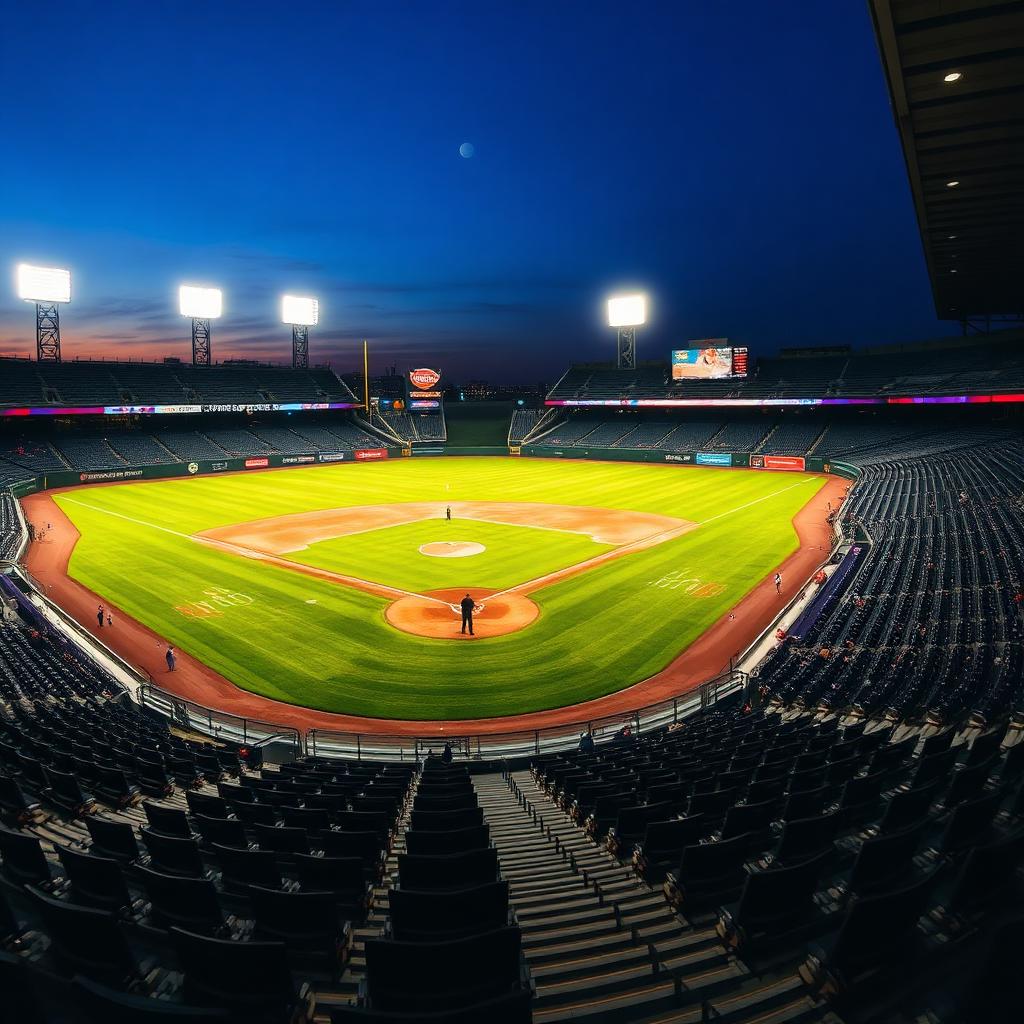
In the sweltering heat of a Texas summer, baseball games are rarely won in the first few innings. While the starters set the tone and the hitters provide the fireworks, the true identity of the Houston Astros and Texas Rangers is often forged in the late innings. The bullpen—the bridge between the starter and the final out—has become the most scrutinized unit in the Lone Star State.
The rivalry between the Houston Astros and the Texas Rangers is one of the most intense in Major League Baseball, fueled by geographic proximity and recent championship pedigree. As both teams vie for supremacy in the American League West, the battle of the bullpens has emerged as the definitive factor in their head-to-head matchups and their overall standing in the league. For fans in Houston and Arlington, the sight of a reliever jogging out from the fence represents either the ultimate security or the beginning of a nervous collapse.
The Strategic Shift in Relief Pitching
Modern baseball has undergone a revolution in how pitching staffs are managed. Gone are the days when a starter was expected to finish what they started every night. Today, the Houston Astros and Texas Rangers rely on analytical data to determine exactly when a pitcher should be pulled, usually before they face a lineup for the third time. This shift has elevated the importance of middle relievers and setup men to unprecedented levels.
In Texas, the 'bullpen day' has become a common phrase. Teams now prioritize high-velocity arms that can dominate for a single inning. This transition requires a diverse set of skills: left-handed specialists to neutralize power hitters, high-heat specialists to blow past the middle of the order, and tactical artists who rely on movement rather than pure speed. The ability of the Houston and Arlington coaching staffs to manage these transitions is what separates contenders from pretenders.
Houston's Culture of Late-Inning Domination
The Houston Astros have built a reputation over the last decade for possessing a 'swing-and-miss' bullpen. Their philosophy centers on reclamation projects and homegrown talent that can maximize spin rates. When the Astros hold a lead entering the seventh inning, the atmosphere at Minute Maid Park shifts; there is a tangible sense of inevitability. This confidence stems from a scouting department that identifies undervalued arms and turns them into high-stakes assets.
Key to the Astros' success is their ability to bridge the gap between their veteran starters and their elite closers. The middle relief corps often consists of versatile pitchers who can go multiple innings if a starter struggles, or come in to record a single crucial out with the bases loaded. This flexibility allows the manager to play a game of chess against opposing hitters, constantly changing speeds and look-angles.
The Texas Rangers' Evolution in the Pen
Historically, the Texas Rangers have played in hitter-friendly environments, which places an immense burden on their relief staff. In recent seasons, the organization has pivoted toward a more aggressive approach in the bullpen. They have sought out veterans with postseason experience to stabilize a unit that once struggled with consistency. The identity of the Rangers' pen is now one of resilience—finding ways to preserve leads in high-scoring affairs.
The transition to playing in a climate-controlled stadium in Arlington has also changed the physics of the game for Rangers relievers. Without the oppressive humidity and wind of the old ballpark, breaking balls tend to bite harder, and pitchers can stay fresher for longer stretches. This change has allowed the Rangers to build a bullpen that mirrors the toughness of their defensive infield, focusing on limiting walks and inducing ground balls when the pressure is at its peak.
The Mental Game: Pitching Under the Texas Sun
It takes a specific type of mental makeup to be a reliever in Texas. Unlike starters who can ease into a rhythm, relievers must enter the game in the middle of a storm. For the Astros and Rangers, the ability to 'flush' a bad performance is essential. In the Lone Star Series, where every game feels like a playoff matchup, the pressure is magnified. A single hanging slider can be the difference between a division title and a wild card scramble.
Fans should watch for the 'body language' of these pitchers during high-leverage moments. The best relievers in Texas history have shared a common trait: an unflappable demeanor. Whether it is a rookie making his debut in Houston or a seasoned veteran closing it out in Arlington, the psychological battle between the pitcher and the batter is the heart of the game’s final act.
Future Outlook for Texas Relief Units
The arms race in the AL West shows no signs of slowing down. As both the Houston Astros and Texas Rangers continue to invest in pitching development, the bullpens will remain the frontline of their rivalry. Advanced metrics like FIP (Fielding Independent Pitching) and Statcast data will continue to dictate how these teams build their rosters, but the human element—the grit required to get the final three outs—will always be the soul of the position.
Keep an eye on the minor league pipelines in both organizations. Both Houston and Texas are currently grooming the next generation of fire-throwers who will eventually inherit the late-inning duties. As long as these two teams are competing for World Series rings, the quality of their bullpens will be the metric by which their seasons are judged. In Texas, the game isn't over until the bullpen has its final say.
Frequently Asked Questions
- What is considered a 'high-leverage' situation for a reliever?
- A high-leverage situation occurs when the game is close in the late innings and the outcome could significantly shift based on one or two batters. This usually involves runners on base or a one-run lead.
- Why do the Astros and Rangers use so many different pitchers in one game?
- Managers use multiple pitchers to maximize 'matchup advantages,' such as pitting a left-handed pitcher against a left-handed batter, and to prevent hitters from seeing the same pitcher too many times.
- What is the difference between a 'setup man' and a 'closer'?
- The setup man typically pitches the 8th inning to bridge the lead to the 9th, while the closer is the specialist tasked specifically with securing the final three outs of a victory.
- How does the Texas heat affect bullpen usage?
- Extreme heat leads to quicker fatigue. Managers must monitor pitch counts more strictly and rotate their relievers more frequently to avoid injuries and velocity drops.
Official Sources
Take the next step
Browse the Newsroom →Read more about Keep Texas Red → Our full guide to what Keep Texas Red means and why Texans support it.
Get Texas updates delivered weekly.
Independent Texas reporting on politics, policy, and daily life. One email a week. Unsubscribe anytime.
Keep TX Red Sports Desk
The Keep Texas Red Editorial Staff produces nonpartisan explainers, policy breakdowns, and educational resources to help Texans understand how their government works. All content is reviewed for accuracy and updated regularly.
About Keep TX Red →