Texas Rangers Prospect Guide: The Next Stars of Arlington
Discover the top talent rising through the Texas Rangers farm system. From high-velocity arms to powerful bats, learn which prospects are set to define the franchise's future success.
Editorial disclaimer: Opinions and analysis on Keep TX Red are editorial content — not statements of fact. See our editorial standards.
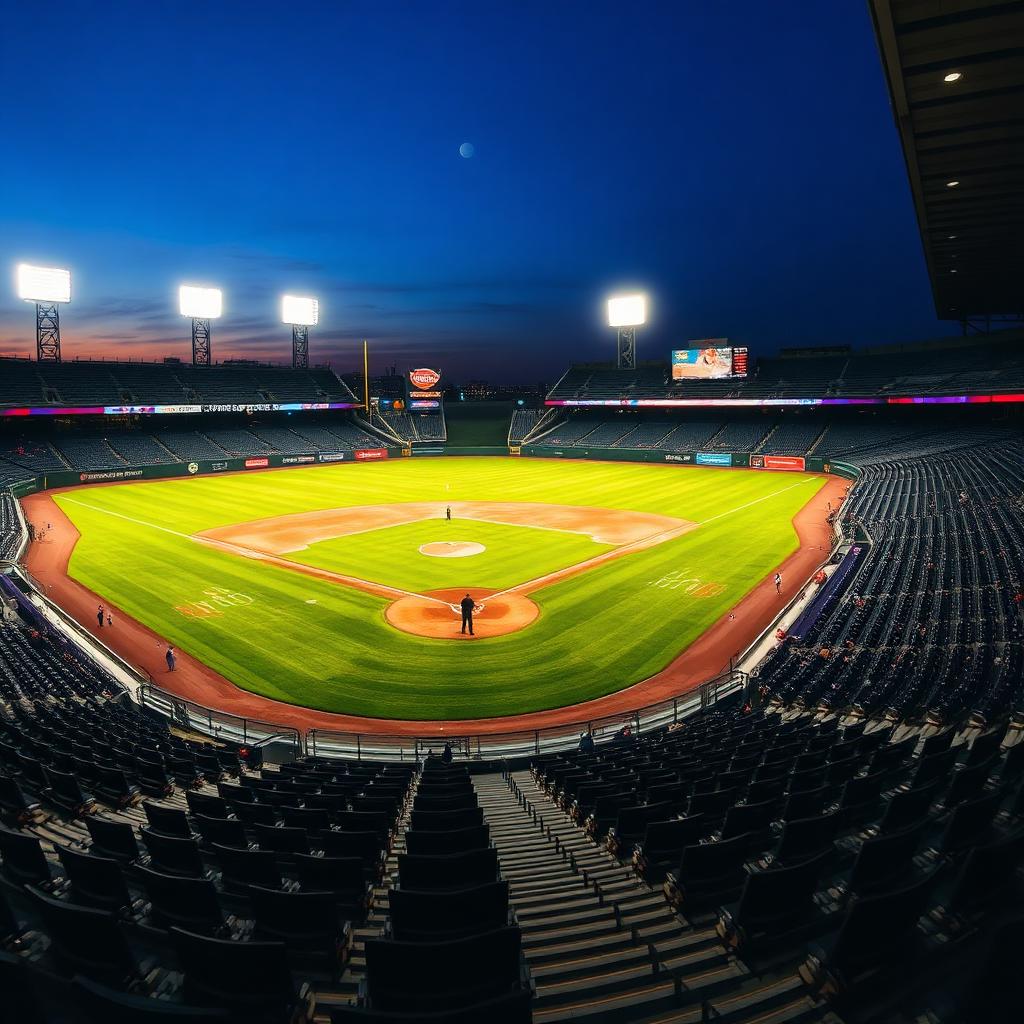
The journey to Major League glory is rarely a straight line, but for the Texas Rangers, the blueprint for success has always been rooted in a robust farm system. Following their historic championship run, the focus in Arlington has shifted toward sustainability—ensuring that a steady stream of young talent is ready to step onto the dirt at Globe Life Field.
The Rangers' minor league affiliates are currently teeming with diverse talent, ranging from elite international signings to polished collegiate draft picks. For the Texas faithful, tracking these rising stars is more than just a hobby; it is a preview of the next era of Rangers baseball. This guide explores the structure of the system and the names every fan should know as they climb the organizational ladder.
The Pipeline Structure: From Surprise to Arlington
The Texas Rangers' development path is a rigorous journey through several key affiliates, each playing a vital role in preparing athletes for the pressures of the American League West. Players typically begin their professional journey in the Arizona Complex League before moving to the Low-A Down East Wood Ducks and the High-A Hickory Crawdads.
However, the real excitement for local fans often begins at the upper levels of the system. The Double-A Frisco RoughRiders serve as a crucial testing ground where the competition steepens significantly. Finally, the Triple-A Round Rock Express acts as the immediate waiting room for the Big Leagues, housing players who are often just one phone call away from making their debut in Arlington.
Elite Infielders: The Core of the Future
Historically, the Rangers have excelled at identifying and developing high-ceiling infielders. The current crop of prospects continues this tradition, featuring players with a blend of defensive versatility and offensive upside. The organization prioritizes athleticism and middle-infield depth, which often allows prospects to transition to various positions as they reach the Major Leagues.
Scouts often point to the Rangers' ability to develop power-hitting shortstops and third basemen who lean into the 'Texas-sized' offensive expectations. These players are trained not just to hit for average, but to impact the game with extra-base hits and aggressive baserunning, fitting the high-octane identity of the club.
Pitching Prowess: Power Arms in the Making
Pitching development has become a cornerstone of the Rangers' philosophy in recent years. By investing heavily in high-velocity right-handers and deceptive left-handers through the draft, the Rangers have built a stable of arms that can dominate at any level. The focus in the minors has shifted toward increasing spin rates and mastering secondary pitches, such as sliders and changeups, that can fool big-league hitters.
In the humid Texas climate, durability is a key trait the organization looks for. Prospects are put through rigorous strength and conditioning programs to ensure they can handle the workload of a full season. Whether they are projected as front-line starters or high-leverage relievers, these pitchers represent the defensive backbone of the franchise's long-term strategy.
Outfield Impact: Speed, Range, and Strength
The spacious dimensions of Globe Life Field require outfielders who can cover ground quickly and possess the arm strength to keep runners at bay. The Rangers' farm system is currently stocked with 'five-tool' outfield prospects—players who can hit, hit for power, run, field, and throw with elite proficiency.
Fans should keep an eye on players who display the speed to turn singles into doubles and the range to track down fly balls in the gaps. These athletes are often the most exciting to watch in Frisco and Round Rock, as their dynamic playstyle can change the momentum of a game in a single inning.
Frequently Asked Questions
- Where is the Texas Rangers' Triple-A affiliate located?
- The Texas Rangers' Triple-A affiliate is the Round Rock Express, located in Round Rock, Texas, at Dell Diamond.
- How can I see Rangers prospects play before they reach Arlington?
- Fans can attend games for the Frisco RoughRiders (Double-A) in Frisco, Texas, or the Round Rock Express (Triple-A) to see the top prospects in action.
- What is the 'Rule 5 Draft' and how does it affect Rangers prospects?
- The Rule 5 Draft allows teams to select players from other organizations who are not on the 40-man roster after a certain period, forcing the Rangers to carefully decide which prospects to protect.
- Do the Rangers have a Spring Training home for prospects?
- Yes, the Rangers share the Surprise Stadium complex in Surprise, Arizona, with the Kansas City Royals for Spring Training and player development.
Official Sources
Take the next step
Browse the Newsroom →Read more about Keep Texas Red → Our full guide to what Keep Texas Red means and why Texans support it.
Keep TX Red Sports Desk
The Keep Texas Red Editorial Staff produces nonpartisan explainers, policy breakdowns, and educational resources to help Texans understand how their government works. All content is reviewed for accuracy and updated regularly.
About Keep TX Red →