Camp Mystic Safety Investigation Finds Systemic Failures in Hill Country Flood Response
A comprehensive report detailing infrastructure and communication lapses at Camp Mystic provides essential safety lessons for Texas summer camps.
Editorial disclaimer: Opinions and analysis on Keep TX Red are editorial content — not statements of fact. See our editorial standards.
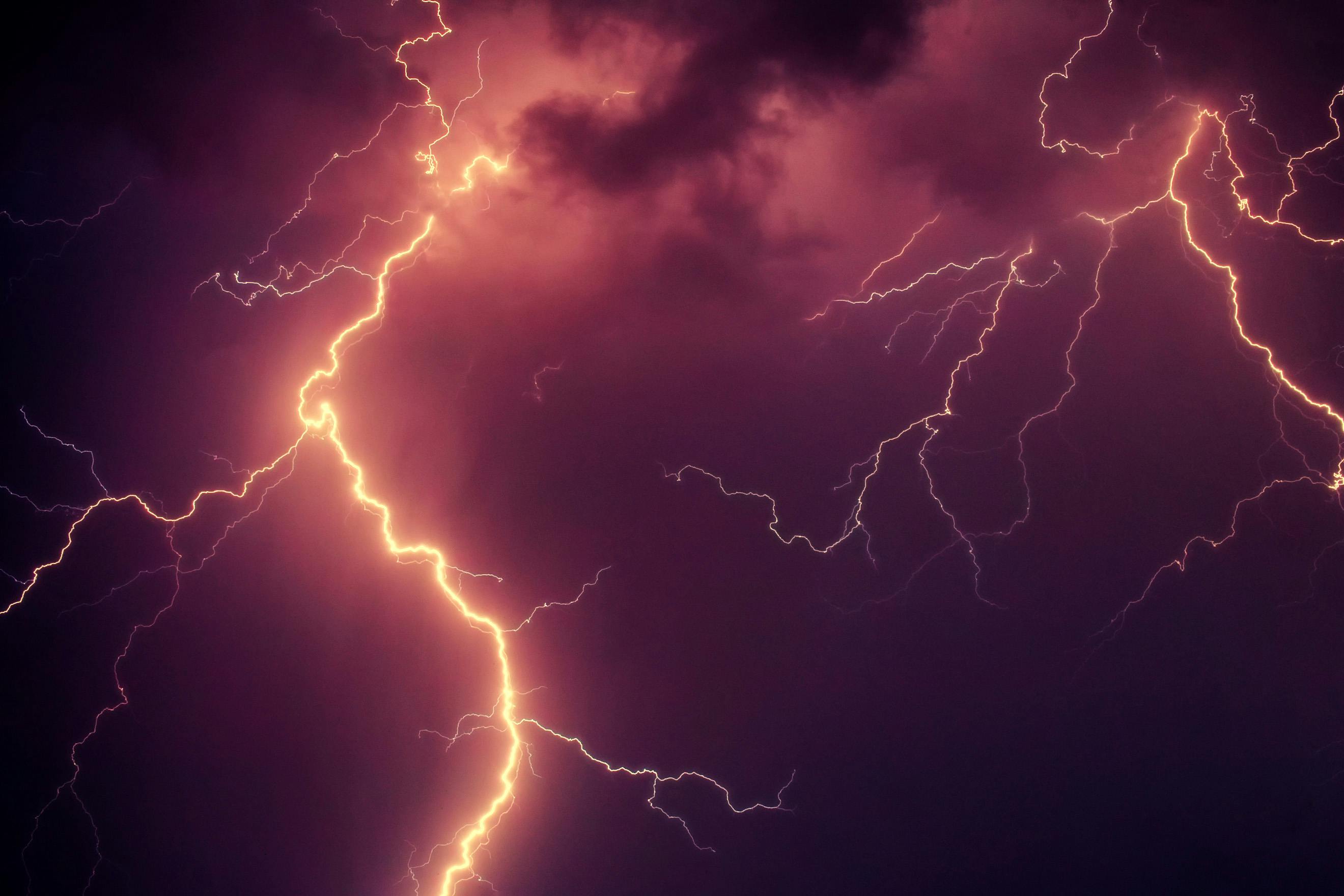
An independent investigative report led by Michael Massengale has pinpointed a series of systemic breakdowns that jeopardized hundred of lives at Camp Mystic during a severe weather event on July 4, 2025. The study highlights that while the flash flooding was intense, the lack of operational preparedness and physical infrastructure failures turned a natural occurrence into a near-catastrophic disaster. This inquiry follows a legacy of Texas Hill Country floods, such as the 1978 and 2002 events, which have historically forced the state to re-evaluate how recreational facilities manage rapid water rises. The findings suggest that reliance on outdated communications and a lack of specific evacuation drills contributed to the chaos as the Guadalupe River surged. The report serves as a formal autopsy of the event, aiming to prevent future tragedies at Texas youth facilities through technical and procedural reforms. Over the last several decades, the Edwards Plateau has been a focal point for flash flood research, yet these findings indicate that private institutions may still be lagging behind modern safety standards. The investigation confirms that emergency response times were slowed by limited accessibility and a failure to anticipate the specific 'cascading' nature of infrastructure collapse under high-velocity water pressure.
Texas relevance
This investigation is vital for Texas because the Hill Country remains one of the most flood-prone regions in the entire United States, often referred to as 'Flash Flood Alley.' For parents across Texas, the safety protocols of private summer camps are a matter of public concern, as these facilities frequently operate in high-risk zones along hisrtoric waterways. The specific failures at Camp Mystic, located near Hunt, Texas, illustrate a broader regulatory gap in how private recreational lands are monitored for weather-related readiness. As the state grows, the density of these camps increases, making the implementation of the report’s recommendations essential for the protection of Texas youth. Furthermore, Texas property owners along the Guadalupe and Comal rivers must understand these findings to better prepare their own landscapes for similar environmental stress.
Analysis
OPINION: The findings regarding Camp Mystic reveal a troubling complacency that often settles into long-standing Texas institutions. While the 'frontier' spirit of summer camp is a cherished part of Texas culture, this report suggests that nostalgia cannot come at the expense of modern engineering and real-time data integration. The 'cascading failures' described by Massengale are not just technical errors; they represent a management philosophy that failed to prioritize worst-case scenarios in a region known for extreme weather volatility. It is likely that this report will spark a push for more stringent state oversight of private camp emergency plans. Conservative observers might argue for voluntary industry standard upgrades rather than new government mandates, yet the severity of this close call makes a strong case for standardized flood-response training across all Texas youth organizations. Ultimately, the survival of the campers was a testament to luck and individual bravery rather than an effective institutional system, which is an unacceptable status quo for a state that prides itself on preparedness and resilience.
Source attribution
This story was reported using a public release from the Texas Standard. Keep TX Red rewrote the coverage independently and links to the official statement for verification.
Frequently Asked Questions
- What specifically caused the danger at Camp Mystic?
- A combination of unprecedented rainfall and the failure of physical infrastructure created a 'cascading' effect where safety systems vanished as the water rose.
- Who conducted the investigation into the flood?
- The investigation was co-authored by Michael Massengale, a former justice, who looked into the architectural and procedural lapses at the site.
- Will there be new laws for Texas summer camps?
- While no specific bill has been passed yet, the report provides a roadmap for potential legislative changes regarding camp safety and water management.
Official Sources
Take the next step
Browse the Newsroom →Read more about Keep Texas Red → Our full guide to what Keep Texas Red means and why Texans support it.
Related Articles

Get Texas updates delivered weekly.
Independent Texas reporting on politics, policy, and daily life. One email a week. Unsubscribe anytime.
Keep TX Red Newsroom
The Keep Texas Red Editorial Staff produces nonpartisan explainers, policy breakdowns, and educational resources to help Texans understand how their government works. All content is reviewed for accuracy and updated regularly.
About Keep TX Red →