Frisco Community Growth: How Rising National Influence is Reshaping the City
Growing pains in Frisco highlight the complex intersection of rapid suburban expansion, cultural diversity, and statewide political shifts in North Texas.
Editorial disclaimer: Opinions and analysis on Keep TX Red are editorial content — not statements of fact. See our editorial standards.
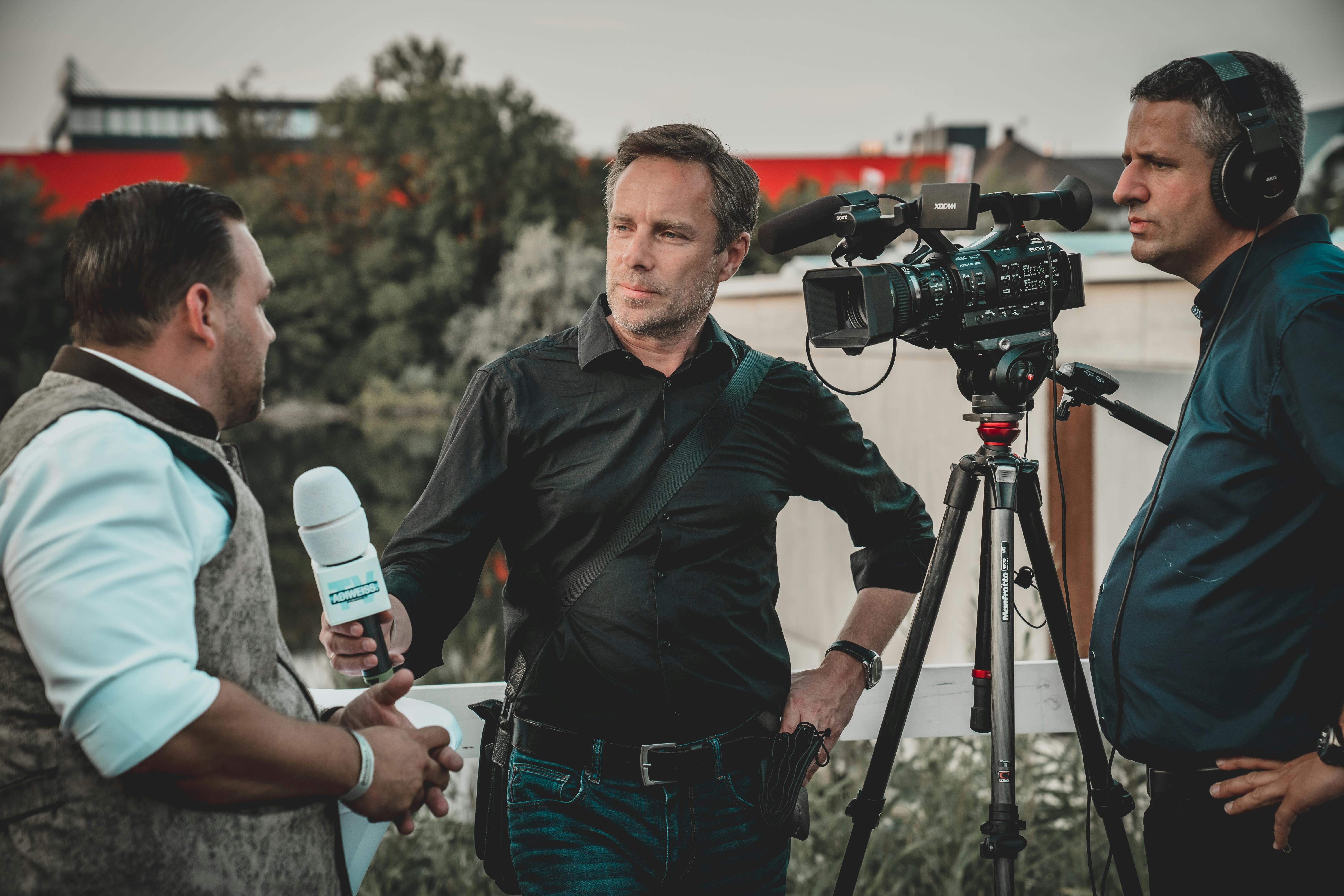
Frisco, Texas, has transformed from a quiet agricultural stop into one of the fastest-growing suburban hubs in the United States. This rapid expansion was fueled largely by the tech industry and international talent, particularly from India, who have built a thriving professional community. However, as the demographic profile of the city changed, it became a focal point for external political influencers and social media commentators seeking to use local shifts as a microcosm for national debates on immigration and identity. Modern suburban development in Texas often follows a pattern of high-density corporate recruitment followed by public discourse regarding historical preservation and community integration.
Texas relevance
As a key piece of the Dallas-Fort Worth Metroplex, Frisco represents the future of Texas's economic engine and its shifting electoral landscape. The state's continued ability to attract corporate headquarters depends on maintaining a stable social environment for a diverse workforce. Tension within the Collin County GOP and local school boards reflects a broader statewide struggle to balance traditional conservative values with the demographic realities of high-growth tech corridors. Similar situations have played out in Austin and Sugar Land, where rapid international migration has outpaced the social adaptation of legacy political structures.
Analysis
The situation in Frisco is less about a failure of integration and more about the impact of 'digital carpetbagging,' where outsider agitators leverage social media to amplify local frictions for a national audience. For decades, the Texas model of growth was predicated on 'come one, come all' as long as you work hard and contribute to the tax base. This economic pragmatism is now clashing with a more ideological brand of populism that views global migration patterns through a lens of cultural preservation rather than economic utility. While some residents express legitimate concerns regarding infrastructure strain and school capacity, these pragmatic issues are often hijacked by influencers who do not live in Collin County. The long-term health of the Texas economy relies on the state's reputation as a welcoming business environment. If the rhetoric surrounding immigrant-heavy suburbs becomes too volatile, Texas risks losing its competitive edge to other low-tax states that project a more cohesive social image. The local GOP finds itself at a crossroads: doubling down on exclusionary rhetoric may energize a specific base, but it risks alienating the highly educated, high-income professional class that Frisco has worked so hard to attract. This demographic shift is not a distant threat to the status quo; it is the current reality of the Texas suburbs, and political organizations must choose between adaptation and friction. Ultimately, the stability of North Texas as a corporate sanctuary depends on whether local leaders can steer the conversation back to governance and away from grievance-driven social media cycles.
Source attribution
This story was reported using a public release from the Texas Monthly. Keep TX Red rewrote the coverage independently and links to the official statement for verification.
Frequently Asked Questions
- Why is Frisco a target for political influencers?
- Its rapid growth and high concentration of international residents make it a visible example of suburban demographic changes in Texas.
- How has the Indian community impacted the local economy?
- The community has significantly bolstered the tech and medical sectors, contributing to one of the highest median household incomes in the state.
- What is the primary source of political tension in the area?
- Disagreements often center on school curricula, zoning for high-density housing, and the influence of national political movements on local elections.
Official Sources
Take the next step
Browse the Newsroom →Read more about Keep Texas Red → Our full guide to what Keep Texas Red means and why Texans support it.
Keep TX Red Newsroom
The Keep Texas Red Editorial Staff produces nonpartisan explainers, policy breakdowns, and educational resources to help Texans understand how their government works. All content is reviewed for accuracy and updated regularly.
About Keep TX Red →