Moving to Texas in 2026: The Honest Pros, Cons, and Hidden Costs No One Talks About
By Keep Texas Red Editorial Staff · Last updated July 3, 2026
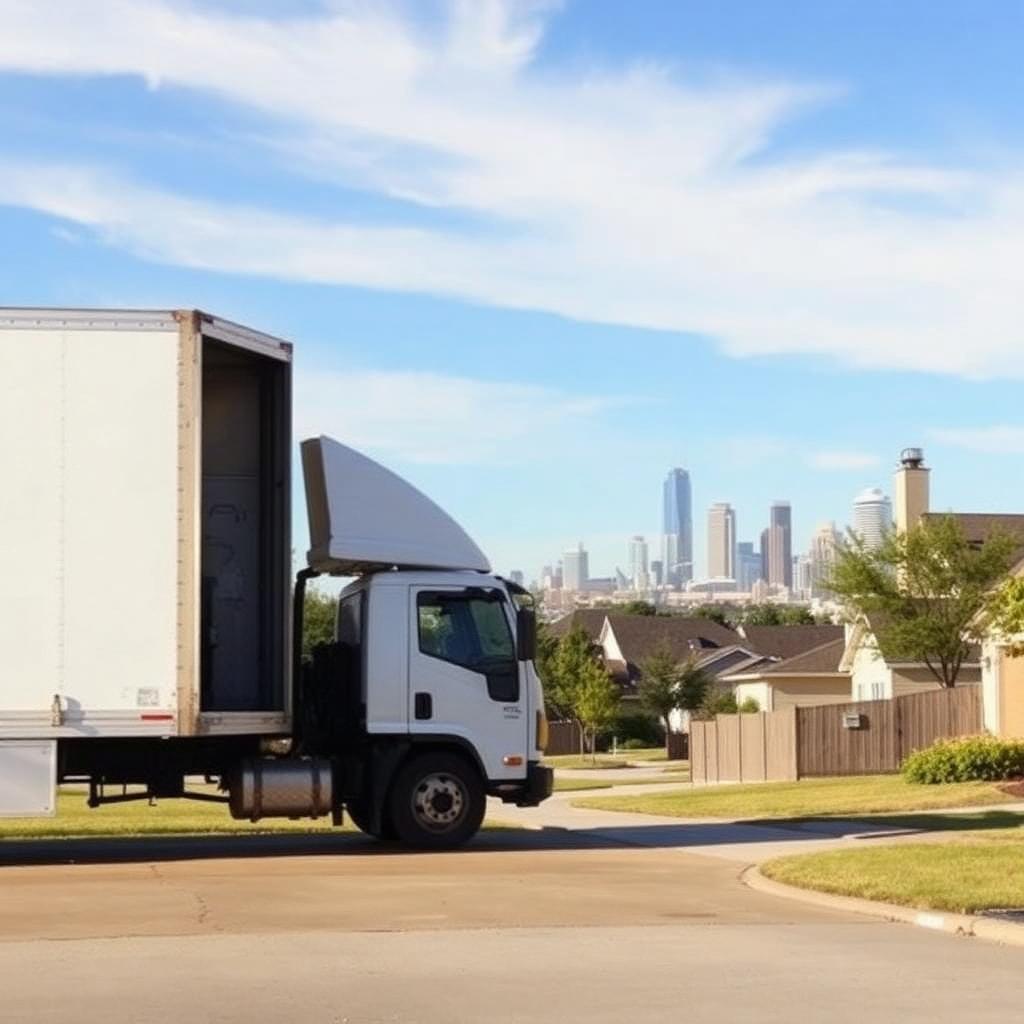
Texas continues to attract hundreds of thousands of new residents each year. The reasons are consistent: strong job growth, no state income tax, and relatively available housing compared to coastal states.
Where the Jobs Are
Major job centers include Austin, Dallas–Fort Worth, Houston, and San Antonio, each with different economic strengths — tech in Austin, energy and health care in Houston, corporate HQs and finance in DFW, and defense plus tourism in San Antonio.
Smaller metros like Waco, Lubbock, and the Rio Grande Valley are also growing, often with lower costs of living.
The Real Tradeoffs
However, moving to Texas comes with tradeoffs. Property taxes are higher than many expect, and housing costs in major metros have increased significantly in recent years. Our Texas property tax guide breaks down exactly how those bills work.
Weather is another major adjustment, with extreme heat, hurricane risk in coastal regions, and flooding in certain areas.
Infrastructure strain is also noticeable in fast-growing suburbs where schools, roads, and utilities are expanding quickly.
Texas vs. California
Compared to California, Texas generally offers lower taxes and lower housing costs, but more weather variability and stronger regional cultural identity.
Texas is not just a relocation — it is a cultural shift. The state has a strong sense of identity, community pride, and regional political engagement that differs from many other parts of the country.
Making It Work Long-Term
For many newcomers, Texas becomes not just a place to live, but part of their identity over time.
The decision to move should be based on long-term lifestyle fit rather than short-term cost savings alone. Texas rewards growth-minded residents who adapt to its pace, climate, and culture.
Frequently Asked Questions
Is moving to Texas worth it in 2026?
For most working households and high earners, yes — especially when factoring in no state income tax and stronger job growth.
What are the hidden costs of moving to Texas?
Property taxes, home insurance (especially near the coast), electricity bills during summer, and vehicle dependency in most metros.
Where should I move in Texas?
It depends on career and lifestyle: Austin for tech, Houston for energy and medicine, DFW for corporate roles, San Antonio for lower cost of living.
Is Texas cheaper than California?
Generally yes on housing, taxes, and everyday costs — though gaps have narrowed in Austin and parts of DFW.
Related Texas Guides
Editorial note: Keep Texas Red is an independent Texas-focused publisher. This guide is informational and reflects publicly available policy and economic context as of the last updated date above.