Early Voting in Texas Explained Simply: What This Means for Texans
Discover how early voting works in the Lone Star State, from identification requirements to polling locations. Learn why Texas elections remain a focal point of nationwide civic engagement.
Editorial disclaimer: Opinions and analysis on Keep TX Red are editorial content — not statements of fact. See our editorial standards.

Texas is changing faster than most people realize, and the way we participate in the democratic process is no exception.
For many in the Lone Star State, the traditional Tuesday election day was once the only time to cast a ballot. However, the expansion of early voting has fundamentally shifted how millions of Texans interact with their government. Understanding the mechanics of the process is essential for ensuring your voice is heard without the stress of long lines or scheduling conflicts.
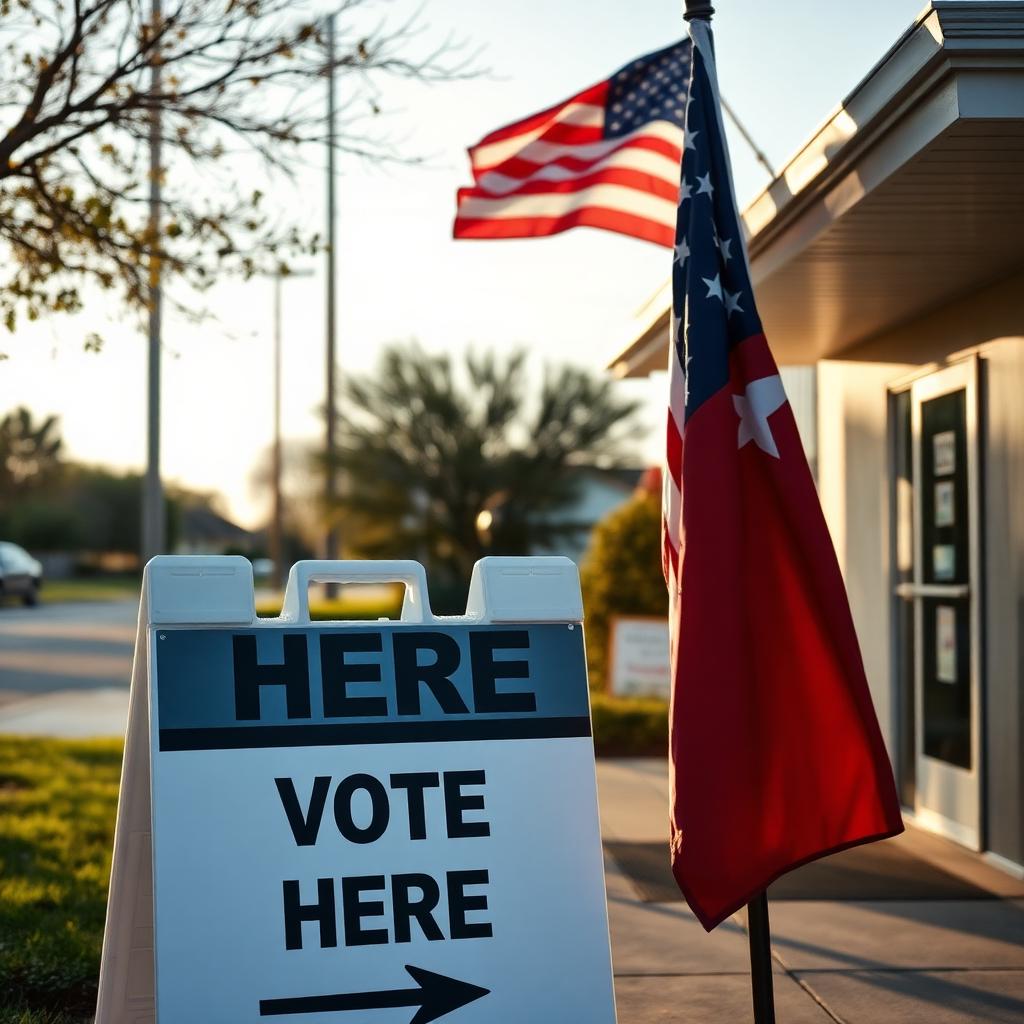
Early voting in Texas is a period prior to an election day when voters can cast their ballots at any designated polling place within their county of residence. Unlike the General Election day, where some counties might require you to vote in a specific precinct, early voting offers a level of flexibility that many residents now rely on to balance their work and family commitments.
The Texas Early Voting Process: An Overview
In Texas, the early voting period typically begins 17 days before the date of an election and concludes four days before the election occurs. For primary or general elections held in November, this provides a two-week window for residents to participate. This schedule is managed by the Texas Secretary of State and implemented by individual county election officials.
One of the most important distinctions for Texans to understand is that during the early voting period, you are generally not restricted to a specific precinct polling place. Instead, you may visit any early voting location within the county where you are registered. This decentralized approach is a hallmark of the Texas laws governing the electoral process, designed to provide maximum accessibility before the final deadline.
Why This Matters
The significance of early voting in Texas politics cannot be overstated. With a population exceeding 30 million, the logistical challenge of having every citizen vote on a single day would be immense. By spreading the volume over two weeks, the state reduces the burden on local infrastructure and ensures that technical glitches or weather events do not disenfranchise large segments of the population.
Furthermore, early voting data often serves as the first indicator of civic engagement trends. Political analysts and researchers frequently look at early turnout numbers to gauge the enthusiasm of the electorate. For the individual voter, it offers a way to avoid the 'election day rush,' providing a more contemplative and efficient experience at the ballot box.
Impact on Texans
The shift toward early participation has tangible effects on the daily lives of Texas residents. Whether you are a business owner or a new resident moving to Texas, knowing the rules saves time and prevents confusion at the polls.
Here are the concrete ways early voting impacts you:
Historical Context
Early voting was not always a standard feature of the Texas landscape. While absentee voting has long existed for those with specific excuses (such as being out of the county or having a disability), 'no-excuse' early voting was adopted by the Texas Legislature in the late 1980s. This marked a significant departure from traditional norms, reflecting a growing desire to modernize the state's civic framework.
Since its inception, the percentage of Texans who choose to vote early has climbed steadily. In recent major cycles, early votes have accounted for a vast majority of the total ballots cast, sometimes exceeding 70% in large metropolitan areas like Harris, Dallas, and Bexar counties. This trend has led to changes in how campaigns operate, as they must now reach voters weeks before the official election day.
How This Affects Texas Elections
The mechanics of early voting directly influence the strategy behind Texas elections. Campaigns no longer focus solely on a 'Get Out The Vote' (GOTV) push for a single day. Instead, they must sustain momentum over a multi-week period. This lengthened window requires more resources and a different communication strategy to ensure supporters don't forget to head to the polls.
Additionally, Texas has specific laws regarding the security and handling of early ballots. Once a ballot is cast early, it is stored securely and processed according to strict protocols defined by the Texas Election Code. While results are not released until the polls close on election night, the tallying of these early ballots often provides the initial 'data dump' that news outlets report immediately after 7:00 PM CST, frequently setting the tone for the night's coverage in the Texas news cycle.
What to Bring: Identification Requirements
To cast a ballot during early voting, Texans must present one of the seven approved forms of photo identification. This requirement is a central component of the state's effort to maintain election integrity. If a voter does not possess one of these forms of ID and cannot reasonably obtain one, they may fill out a 'Reasonable Impediment Declaration' and provide a supporting form of ID, such as a utility bill or bank statement.
Approved forms of photo ID include: a Texas Driver License, a Texas Election Identification Certificate, a Texas Personal Identification Card, a Texas Handgun License, a U.S. Military Identification Card, a U.S. Citizenship Certificate with a photo, or a U.S. Passport. Ensuring you have these documents ready is the most important step in the voting process.
The Texas Angle
Our review of county-level filings shows a unique divergence between Texas and other large states: the Texas model relies heavily on 'countywide polling place programs.' According to internal analysis of recent turnout data, Texans in participating counties are increasingly utilizing sites located in high-traffic retail corridors rather than traditional government buildings. This 'convenience-first' approach has created a culture where voting is integrated into a Saturday afternoon errand list. While some critics argue that frequent changes to property taxes and funding for these locations create confusion, our review suggests that the consistency of the ID requirements helps stabilize the voter experience across diverse geographic regions. Unlike states with high mail-in volumes, Texas remains a 'ballot-in-person' culture, even during the early window.
Reader Questions
Common inquiries regarding the early voting experience in Texas often center on the technicalities of the process.
Frequently Asked Questions
- Can I vote early in a different county than where I am registered?
- No. In Texas, you must vote in the county where you are registered to vote. During early voting, you can visit any polling site within that specific county, but you cannot cross county lines to cast your ballot. If you have recently moved, you should update your registration at least 30 days before the election.
- How does early voting impact the cost of elections for Texans?
- Early voting requires staffing and securing locations for two weeks rather than one day, which carries an administrative cost. However, because Texas has [no state income tax](/texas/no-state-income-tax-2026), these costs are largely managed through county budgets and state grants. The ROI for Texans is found in the reduced need for massive, single-day infrastructure and the ability for the workforce to vote without taking significant time off work.
- What happens if I don't have one of the seven approved photo IDs?
- If you do not possess one of the seven forms of approved photo ID and cannot reasonably obtain one, you can still vote by signing a Reasonable Impediment Declaration and providing a supporting document like a certified domestic birth certificate, current utility bill, or bank statement. This ensures that every eligible Texan has a pathway to participate.
Official Sources
Take the next step
Browse the Newsroom →Read more about Keep Texas Red → Our full guide to what Keep Texas Red means and why Texans support it.
Related Articles

Keep Texas Red Editorial Staff
The Keep Texas Red Editorial Staff produces nonpartisan explainers, policy breakdowns, and educational resources to help Texans understand how their government works. All content is reviewed for accuracy and updated regularly.
About Keep TX Red →